4 Signs on Your Period to See a Gynecologist

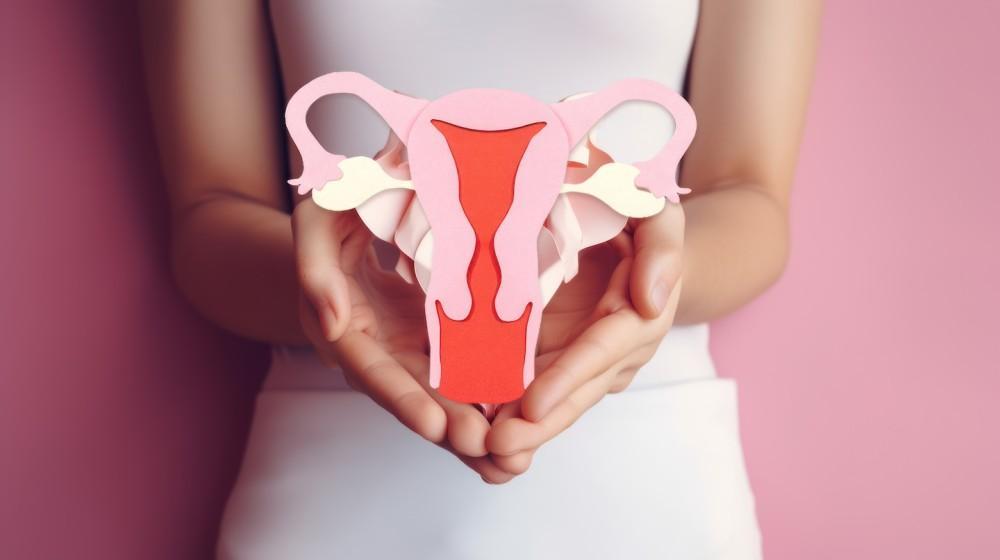
Menstruation is a natural part of reproductive health, but every woman’s cycle is unique. While mild cramping, slight mood shifts, and temporary bloating are common symptoms during your period, severe pain or drastic changes in your flow should never be ignored. Many women normalize debilitating period symptoms, assuming severe discomfort is simply something they must tolerate. However, unusual period patterns often signal underlying gynecological conditions such as uterine fibroids, endometriosis, hormonal imbalances, or pelvic infections. At North Atlanta Women's Specialists, our board-certified OB/GYNs provide compassionate, comprehensive evaluation and treatment to help you find relief and protect your reproductive health.
1. Abnormally heavy bleeding (Menorrhagia)
While it can be difficult to quantify blood loss precisely, needing to change your pad or tampon every hour for several consecutive hours is a clear sign of abnormally heavy menstrual bleeding.
Signs that your heavy flow warrants medical evaluation include:
- Soaking through protection rapidly: Soaking through one or more sanitary pads or tampons every hour for two or more consecutive hours.
- Passing large blood clots: Consistently passing blood clots that are larger than the size of a quarter.
- Double protection requirement: Needing to wear double sanitary protection just to control your flow, or waking up multiple times at night to change protection.
- Signs of anemia: Experiencing persistent fatigue, lightheadedness, weakness, or shortness of breath during or after your cycle.
2. Severe, debilitating pelvic pain and cramping
Mild lower abdominal cramping caused by normal uterine muscle contractions is common. However, severe, sharp, or throbbing pain that disrupts your ability to work, sleep, or complete daily activities is not something you should accept as normal.
Types of period pain that signal a need for professional care include:
- Pain that does not improve after taking over-the-counter pain relievers.
- Pelvic pain that begins days before your period starts and persists throughout your cycle.
- Deep pelvic pain during sexual intercourse or painful bowel movements during your period.
- Severe cramping accompanied by nausea, vomiting, or lower back pain.
3. Irregular, unpredictable, or absent cycles
A typical menstrual cycle ranges from 21 to 35 days, with bleeding lasting 2-7 days. While occasional slight variations occur due to stress or travel, persistent irregularity warrants an evaluation.
Key cycle changes to watch for include:
- Missed periods (Amenorrhea): Stopping your period for three or more months in a row when you are not pregnant or going through menopause.
- Short or frequent cycles: Having cycles that occur closer than 21 days apart.
- Spotting between periods: Experiencing unexpected bleeding or dark spotting between your regular cycles or after sexual intercourse.
- Prolonged bleeding: Menstrual bleeding that lasts longer than seven to eight days continuously.
4. Unexplained pelvic pressure, bloating, or bowel shifts
If your period is consistently accompanied by a heavy, fullness sensation in your lower abdomen or noticeable shifts in bowel and bladder habits, the cause may extend beyond hormonal changes.
Conditions like uterine fibroids or ovarian cysts can enlarge within the pelvic cavity, exerting pressure on surrounding organs during your cycle. You may notice needing to urinate much more frequently, feeling continuous lower back pressure, or experiencing painful constipation that coincides directly with your monthly flow.
Take control of your menstrual and reproductive health
Your monthly cycle provides vital clues about your overall hormonal and reproductive well-being. If you experience heavy bleeding, severe pain, or irregular cycles, consulting an experienced gynecologist is the first step toward getting answers and finding effective treatment.
Are unusual period symptoms disrupting your life? Visit North Atlanta Women's Specialists today or call our office to schedule your gynecological consultation.