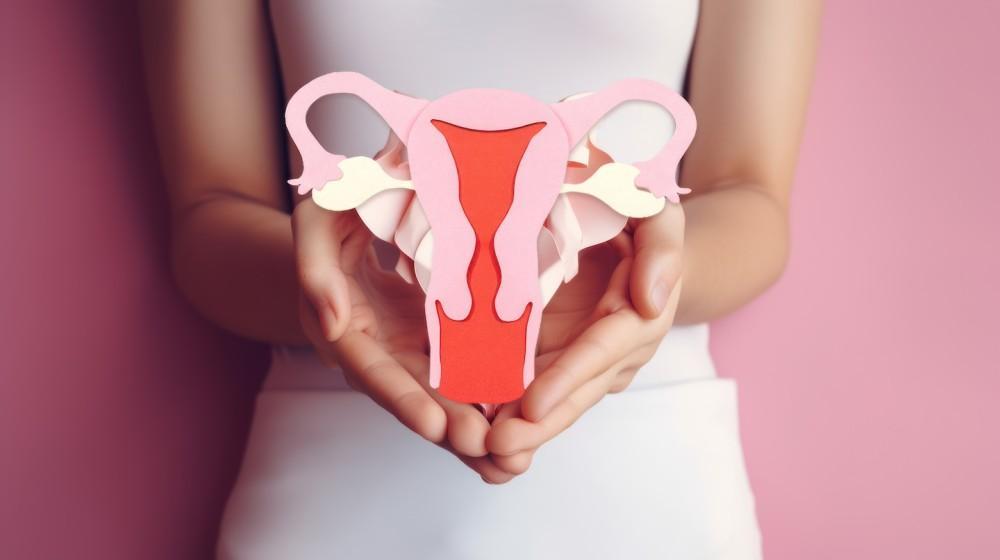
Ovarian cysts are small growths that form inside or on the surface of your ovaries. Most never cause a problem, but others can lead to uncomfortable symptoms or potentially serious complications.
Our providers at North Atlanta Women’s Specialists work with you to evaluate and address troublesome ovarian cysts. We offer comprehensive, personalized care, including in-office ultrasounds and, when necessary, minimally invasive surgery.
Here’s a closer look at what causes ovarian cysts and what may increase your risk.
Why do ovarian cysts develop?
During a typical menstrual cycle, an egg matures within a small structure in the ovary called a follicle. When you ovulate, the follicle breaks open and releases the egg.
Sometimes the follicle stays closed and keeps growing, resulting in a follicular cyst. In other cases, a cyst may form after ovulation if the empty follicle — the corpus luteum — closes up and fills with fluid.
Cysts that grow from ovarian follicles are known as functional cysts, and they’re the most common variety. Other types of ovarian cysts can develop due to abnormal cell growth or conditions like endometriosis.
Understanding your risk factors
Ovarian cysts are more likely to form during your reproductive years, but they can also occur after menopause. Several other factors may raise your risk, including:
Hormonal imbalance
A hormone imbalance can disrupt normal ovulation, increasing the likelihood of follicular cysts. Certain medical conditions, significant weight changes, and prolonged stress may affect your hormone levels.
Polyendocrine metabolic ovarian syndrome (PMOS) — previously named polycystic ovarian syndrome (PCOS) — is a condition that can interfere with hormone regulation and ovulation. However, recent research suggests people with PMOS are no more likely than others to develop ovarian cysts.
Fertility treatments
Certain fertility medications, such as clomiphene and letrozole, stimulate the ovaries to encourage egg development and release. Ovarian cysts can develop as a side effect of this stimulation.
Endometriosis
With endometriosis, tissue similar to the uterine lining (endometrium) grows elsewhere in the body. And like uterine lining, this tissue may bleed in response to normal hormonal fluctuations. When it affects the ovaries, blood can accumulate and form cysts called endometriomas.
Pregnancy
Hormonal changes during pregnancy make ovarian cysts more likely to develop or persist.
A history of ovarian cysts
If you’ve had an ovarian cyst in the past, you’re more likely to develop another, even if the previous one resolved on its own.
When should you see a gynecologist?
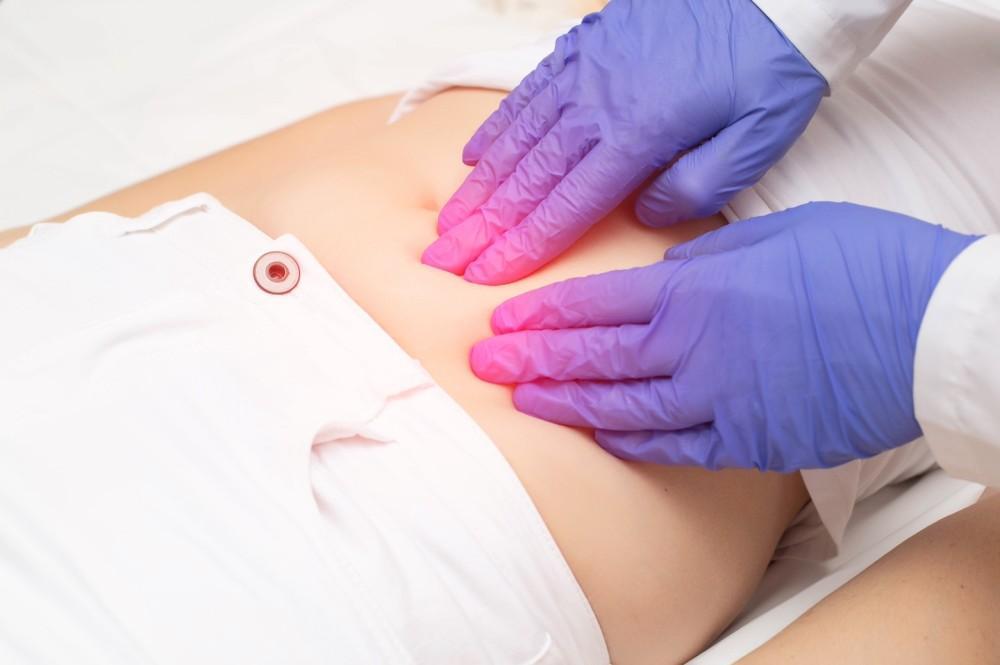
Most ovarian cysts are small and asymptomatic, so you may not even realize you have one. Larger cysts can cause persistent pelvic or lower back pain, discomfort during sex, bloating, or painful, irregular periods — all symptoms that warrant an evaluation with our team, no matter the cause.
If you experience sudden, intense pelvic pain, especially with nausea, vomiting, or faintness, seek emergency care. These symptoms could indicate a ruptured cyst or ovarian torsion, a serious complication in which the ovary twists and potentially cuts off its blood supply.
Are you dealing with uncomfortable pelvic symptoms? Our gynecology team is here to help. Contact North Atlanta Women’s Specialists today to schedule an appointment in Atlanta, Duluth, or Marietta, Georgia.